Tactical RPG Guide · Baldur's Gate 3

Classes & Battlefield Roles

Discover how every class in Baldur's Gate 3 transforms your battle strategy. Build a squad that dominates the fantasy battlefield through vision, positioning, and perfectly timed abilities.

Classes Overview

In Baldur's Gate 3, your choice of class is the single most important decision for shaping battlefield tactics, team synergy, and your role in the multiplayer fantasy world. Field Visionary focuses on how each class turns raw power into tactical gameplay advantages, from frontline control to precision spellcasting.

Vision-Driven Party Composition

Design squads around information, control, and map pressure.

Classes in Baldur's Gate 3 are not just combat archetypes; they are vision tools. Fighters lock down choke points, Wizards reshape terrain with spells, Rogues gather intel behind enemy lines, Clerics sustain the push, and Rangers control sightlines. Together, they transform your group into a coordinated field-command unit.

On Field Visionary, each class is evaluated through a battle strategy lens: how it opens space, protects allies, punishes mispositioning, and fuels long encounters through efficient resource management.

Hungary-Focused Learning Path

Built for Hungary players who want structured, competitive-ready knowledge.

Whether you are a student planning your first campaign or a veteran min-maxer preparing for Tactician mode, this RPG guide breaks down classes into clear, digestible layers: fantasy fantasy theme, core mechanics, advanced synergies, and role in co-op party play.

Use this page alongside our Gameplay & Mechanics and Strategy Guides sections to build lineups that feel cohesive, powerful, and fun across both single-player and multiplayer modes.

Core Class Archetypes

Fighters, Wizards, Rogues, Clerics, and Rangers define the backbone of your party. Understanding their archetypal roles is the first step toward tactical gameplay mastery.

Fighter

Frontline tanks and duelists. Fighters absorb pressure, control space with opportunity attacks, and anchor the team around reliable weapon damage.

  • Zone control with melee threat radius
  • Flexible builds: shield walls, great-weapon burst, or control-oriented battlemasters
  • Ideal for players who enjoy leading engagements and setting the tempo

Wizard

Spellcasters who dominate fantasy strategy game encounters through area control, elemental damage, and utility magic.

  • AOE nukes that punish clustered enemies
  • Battlefield manipulation: grease, fog, slows, and crowd control
  • Best for players who love planning turns several moves ahead

Rogue

High-impact skirmishers focused on stealth, mobility, and surgical burst damage against high-value targets.

  • Sneak Attack for explosive single-target damage
  • Scouting, trap disarming, and lockpicking to control the map
  • Perfect for players who enjoy flanking and guerilla tactics

Cleric

Divine strategists who sustain the party through healing, buffs, and protective magic, while still contributing meaningful damage.

  • Powerful defensive spells that stabilize risky plays
  • Turn Undead and radiant damage for specific encounters
  • Core support in long dungeons and difficult boss fights

Ranger

Versatile scouts who blend exploration power with deadly ranged attacks and environmental control.

  • High initiative and strong opening turns in outdoor maps
  • Favored Enemy and terrain knowledge that reward preparation
  • Excellent choice for map-focused, information-hungry players

Class Spotlights & Tactical Breakdown

Deep dives into each featured class, focusing on battle strategy, positioning, and decision-making in Baldur's Gate 3.

Fighter Class – Frontline Dominance

The Fighter is the field general of your lineup, turning raw stats into reliable frontline control. With high armor, multiple attacks, and flexible weapon choices, Fighters thrive on holding chokepoints and punishing any enemy who dares to move past them.

In a tactical fantasy strategy game like Baldur's Gate 3, their biggest asset is threat projection. Position a Fighter at tight corridors, ladder tops, or doorways and let opportunity attacks and control maneuvers define safe and unsafe zones for your enemies.

  • Battlefield anchoring: Guard allies and squishy casters by physically blocking access routes.
  • Weapon mastery: Swap between sword-and-board for defense and great weapons for burst depending on encounter type.
  • Action Surge timing: Use extra actions to finish priority targets or chain crowd control when it matters most.

For Hungary players who enjoy leading from the front, the Fighter offers a clear, impactful role that rewards good positioning and turn-by-turn discipline.


Fighter class holding the frontline on a fantasy battlefield in Baldur's Gate 3

Wizard Class – Arcane Field Control

The Wizard converts knowledge and preparation into overwhelming tactical gameplay. Instead of trading blows, you shape the battlefield with fire, ice, acid, and utility spells that define where enemies can safely stand.

From early Grease combos to late-game battlefield-wide spells, Wizards embody the "Field Visionary" concept: you see the future of the fight and force foes into losing lines.

  • Area denial: Use persistent effects like Cloud of Daggers or Web to lock down chokepoints.
  • Crowd control: Sleep, Hold Person, and similar spells turn dangerous elites into temporary non-threats.
  • Information advantage: Utility magic like Detect Thoughts and Invisibility expands your options beyond raw damage.

If you love planning encounters like puzzles, the Wizard is the purest expression of strategic vision in Baldur's Gate 3.

Wizard casting powerful magic to control a fantasy battlefield in Baldur's Gate 3

Rogue Class – Stealth & Precision

The Rogue is your information specialist and assassin in one. Through stealth, high mobility, and Sneak Attack, they punish mistakes and expose weak points in enemy lines.

Rogues excel in turning good positioning into devastating payoff. They flank, climb, jump, and vanish to hit from unexpected angles, forcing enemies to constantly reposition.

  • Stealth scouting: Check ahead for ambushes, traps, and ideal engagement locations.
  • Alpha strikes: Open combat with a critical Sneak Attack on the strongest target.
  • Map control: Disarm traps and unlock shortcuts to keep your party safe and efficient.

Players in Hungary who enjoy game tips focused on flanking routes, high-ground abuse, and clever ambushes will find the Rogue the most expressive class for creative plays.

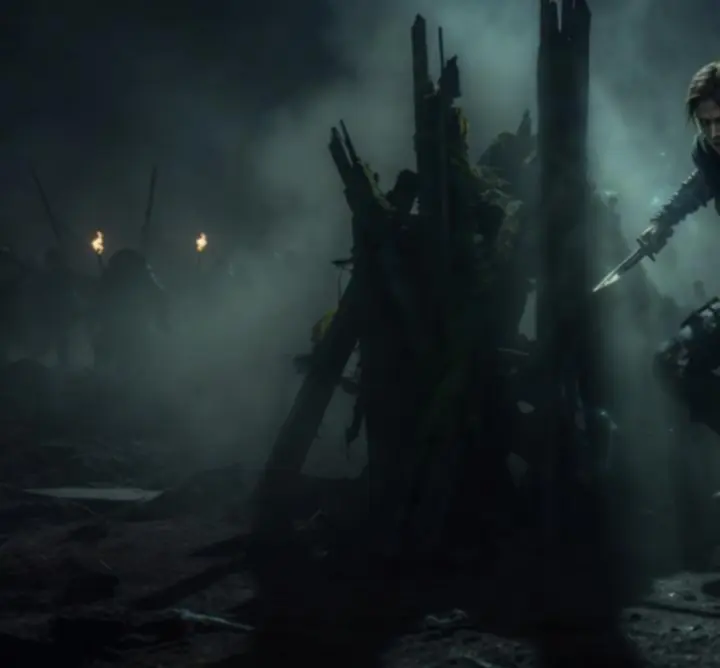
Rogue moving in stealth before a precision strike in Baldur's Gate 3

Cleric Class – Support, Protection & Resilience

Clerics are the backbone of long campaigns, turning fragile parties into resilient strike forces. Through healing, buffs, and protective magic, they allow your aggressive classes to take bigger risks and maintain tempo across multiple encounters.

In co-op and competitive-style runs, a well-played Cleric is the difference between wiping on a boss and stabilizing at 2 HP into a sudden comeback.

  • Combat sustainability: Efficient heals and damage prevention keep your resources strong for the next fight.
  • Buff windows: Enhance attack rolls, saving throws, and defenses before key turns.
  • Divine control: Turn Undead and radiant damage excel in specific campaigns and zones.

For Hungary players who like being the quiet MVP, the Cleric delivers immense impact while leaving spotlight moments to allies.

Ranger Class – Exploration & Ranged Tactics

Rangers connect Maps & Exploration with combat success. Their tracking, scouting, and ranged prowess reward players who think about the battlefield long before the first initiative roll.

By reading environments, using high ground, and exploiting favored enemies, Rangers turn terrain into a force multiplier that aligns perfectly with the Field Visionary theme.

  • Opening control: Start fights on your terms with surprise attacks from optimal positions.
  • Environmental advantage: Use surfaces, elevation, and cover to win trades you should lose.
  • Exploration synergy: Skills that keep the party safe from ambushes, hazards, and getting lost.

If you love reading tactical maps and predicting encounter flows, the Ranger is a natural fit.

Unique Class Features & Progression Systems

Behind every class lies a web of resources, passives, and subclass paths that define your long-term RPG guide strategy.

Resource Management

Each class in Baldur's Gate 3 manages power differently: spell slots, short-rest abilities, superiority dice, channel divinity charges, and more. Tactical players plan encounters around these cycles.

  • Wizards and Clerics pace spells between rests to avoid going dry mid-dungeon.
  • Fighters leverage Action Surge and class maneuvers for pivotal turns.
  • Rogues focus on positioning rather than resources, trading risk for consistency.

Subclass Identity

Subclasses radically change playstyle and team role. Field Visionary highlights how these choices affect your battle strategy over a full campaign.

  • Battle Master Fighters bring tactical maneuvers and control tools.
  • Evocation Wizards specialize in safe AOE nukes around allies.
  • Trickery Domain Clerics and Gloom Stalker Rangers excel at ambush play.

Party Build Diversity

Combining classes and subclasses unlocks powerful synergies. The goal is not just raw DPS, but a party that maintains pressure, vision, and survivability across varied scenarios.

  • Tank + controller + scout + support compositions
  • Hybrid builds that cover multiple roles in smaller parties
  • Adaptable lineups for both story-driven and challenge runs

Advanced Tactics by Class

Turn solid builds into lethal squads with synergy-driven game tips and positional play.

Synergy Patterns

Strong parties are built around repeatable patterns rather than isolated plays. Below are staple combos that scale from early access to end-game in Baldur's Gate 3.

  • Fighter + Rogue: Fighter locks enemies in melee range while Rogue flanks from the side or high ground for constant Sneak Attack triggers.
  • Wizard + Cleric: Wizard softens or disables groups, Cleric keeps the team alive through the alpha strike and counters incoming magic.
  • Ranger + Wizard: Ranger scouts and selects the perfect engagement point, Wizard opens with devastating area control at the chosen chokepoint.

Positioning Principles

Every class has a preferred vision lane on the battlefield. Respecting these lanes is key to high-level tactical gameplay.

  • Fighters sit on chokepoints and hold front-center positions.
  • Rogues work the edges and backline, rarely staying visible long.
  • Wizards and Clerics hover behind the frontline with clear sightlines but strong cover options.
  • Rangers float between mid and backline, adjusting based on high ground and enemy comp.

Field Visionary recommends reviewing encounter spaces on the Maps & Exploration page to pre-plan ideal class positions.

Choosing Your Role – Advice for Hungary Players

Match your preferred playstyle with the class that will feel rewarding in both solo and co-op Baldur's Gate 3 campaigns.

Frontline Leaders

If you enjoy being the first into danger and setting the rhythm of fights, prioritize Fighters or durable Cleric builds.

  • Take responsibility for where and when your party engages.
  • Communicate with your Wizard and Ranger players in co-op before charging.
  • Perfect for players who like clear, impactful decisions every round.

Tactical Planners

Players in Hungary who enjoy spreadsheets, build theory, and long-term planning will feel at home on Wizards and support-focused Clerics.

  • Micromanage spell preparation and buff windows.
  • Shape the fight around terrain and enemy composition.
  • Great for leading groups that want a high-level RPG guide experience.

Playmakers & Scouts

If you prefer stealth routes, solo missions, and flashy damage spikes, choose Rogue or Ranger.

  • Take on responsibility for scouting and trap handling.
  • Decide where the party should take fights for maximum advantage.
  • Rewarding for players who love clever, opportunistic plays.

Still unsure which class fits you? Compare mechanical depth and complexity on our Gameplay & Mechanics page, then explore team blueprints in the Strategy Guides section.

Discuss Builds with the Community

Class Customization & Progression

Every level-up in Baldur's Gate 3 is a strategic decision. Treat your build path like a long-form battle strategy plan.

Leveling & Feat Choices

As you level, your class gains new spell slots, extra attacks, and class features that dramatically shift your power curve. Feat selection adds another layer of specialization.

  • Fighters: Decide between durability (toughness, armor feats) and offensive spikes (Great Weapon Master, Sharpshooter).
  • Wizards: Expand spell lists and pick feats that secure concentration or enhance core elements.
  • Rogues & Rangers: Balance accuracy, crit potential, and survivability.

Long-Term Team Impact

Because Baldur's Gate 3 is a tactical gameplay RPG, your early class and subclass decisions echo through the entire campaign.

  • Plan for late-game roles: will your Wizard remain pure, or multiclass into a more flexible hybrid?
  • Decide whether your Cleric is a pure healer, aggressive battle cleric, or utility support.
  • Use our Game Overview and News sections to track balance changes that may influence future builds.

For Hungary-based players who value efficiency, Field Visionary provides the structure to avoid costly respecs and keep your party aligned with your preferred fantasy and competitive goals.

Next Steps – From Class Choice to Full Strategy

Once you have a class in mind, connect it with maps, mechanics, and team tactics to unlock the full Field Visionary experience for Baldur's Gate 3.